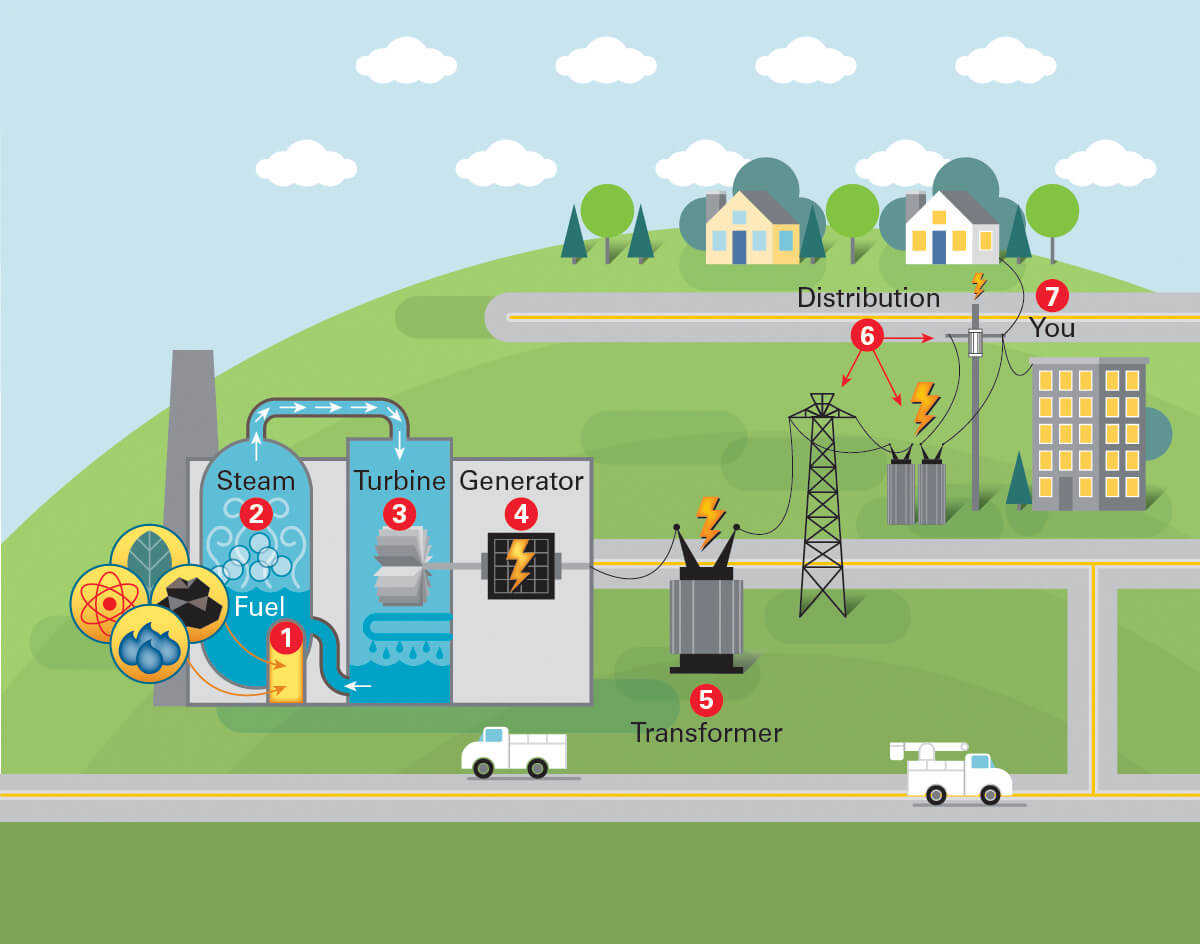
Biomass Energy: Environmental Benefits and Considerations
Environmental Benefits
Carbon Neutrality: Biomass is often considered carbon-neutral because the CO₂ released during combustion is offset by the carbon absorbed by the plants during their growth. However, this balance depends on factors like land use, transportation, and processing methods.
Renewable: Biomass resources can be replenished on a human timescale, unlike fossil fuels, which are finite.
Waste Reduction: Biomass energy provides an alternative use for waste materials (like agricultural residue and food scraps), reducing landfills and incineration.
Energy Security: Biomass can be locally sourced, reducing dependence on imported fossil fuels and promoting energy resilience in rural or remote areas.
Environmental Considerations
Land Use and Food Production: Growing crops for biomass could compete with land used for food production or natural ecosystems, leading to concerns about food security and biodiversity.
Air Pollution: Biomass combustion can release particulate matter, nitrogen oxides, and other pollutants, which may degrade air quality if not properly controlled.
Efficiency: Biomass energy production can sometimes be less efficient than other energy sources, depending on the technology and feedstock used.
Carbon Footprint: While biomass is considered carbon-neutral, the entire lifecycle— from planting to harvesting, processing, and transportation—can contribute to greenhouse gas emissions.
Global Role of Biomass Energy
Energy Transition: Biomass is part of the global shift toward renewable energy, helping to reduce reliance on fossil fuels and mitigating climate change.
Sustainable Development: In developing countries, biomass can be a vital energy source, especially where access to modern energy infrastructure is limited.
Industry: Many industries, such as paper mills, sawmills, and agriculture, generate biomass waste that can be converted into energy, contributing to a circular economy.
Biomass Energy’s Role in the Future
While biomass energy is promising, it is not without challenges, particularly concerning land-use impacts and air quality. However, with advances in technology (such as more efficient combustion techniques and carbon capture), biomass can become a more sustainable and cleaner energy source.
Moreover, biomass plays a complementary role in the transition to a renewable energy future, alongside solar, wind, hydroelectric, and other forms of clean energy. As such, it continues to be an important component of the global energy mix, especially in areas where other renewable resources are less feasible.